Defaulting To Whiteness II: The Absurd Race-Bending Of ‘Exodus: Gods and Kings’

exodus-gods-and-kings-christian-bale-joel-edgerton

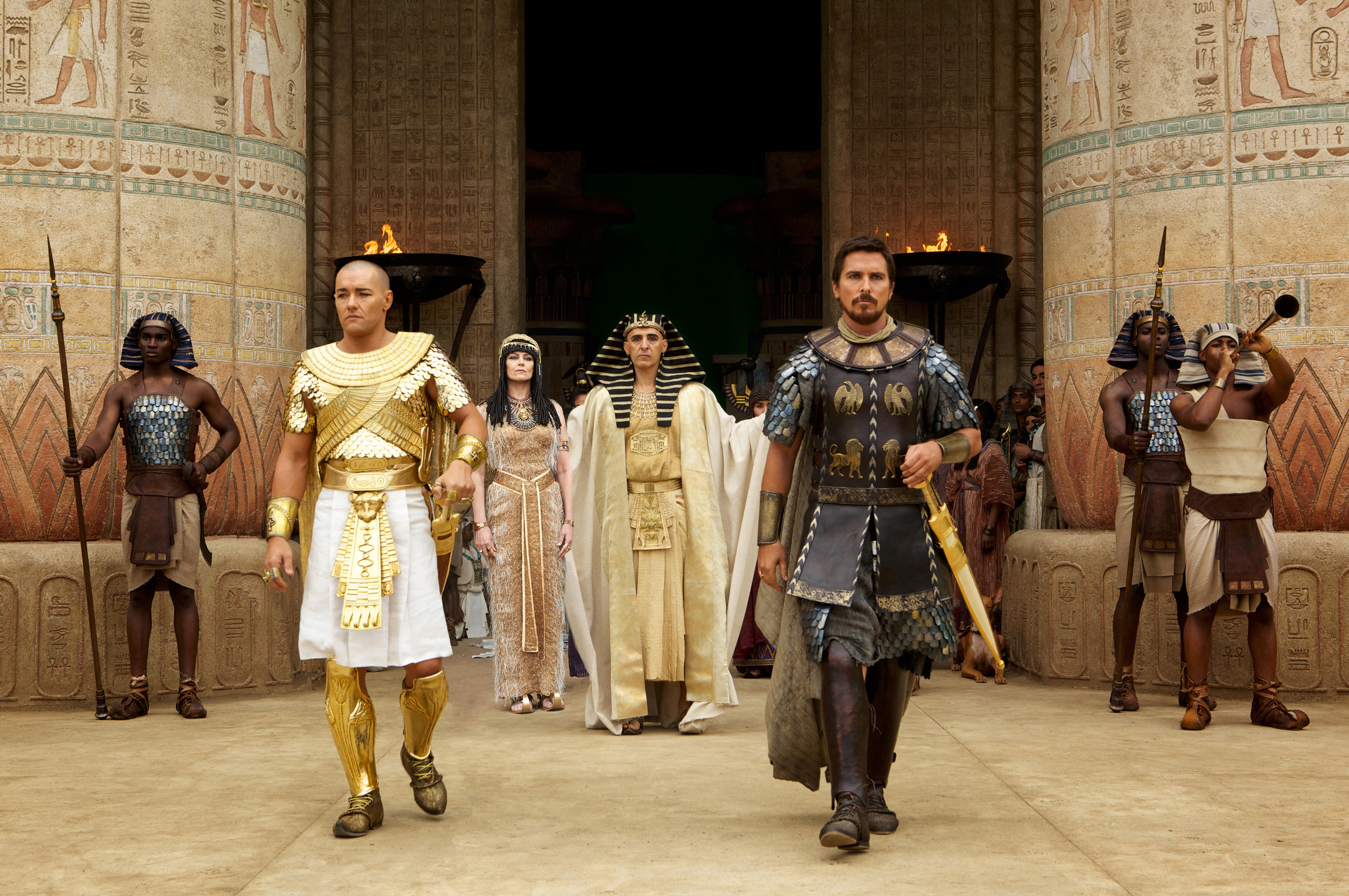
Forgetting for a second whether I’m personally offended as a person of color over the casting choices in Exodus: Gods and Kings; I find the casting of an almost entirely white cast to play Ancient Egyptians to be flatly absurd by any metric. Casting like this is historically, geographically, and demographically inaccurate, in addition to being quite simply boring. I can think of no better example of defaulting to whiteness than a casting decision such as this one: “we have a story and a setting that fall outside of our modern racial parameters so why not just cast a bunch of white people, right?” I won’t pretend to know exactly what ancient Egyptians or ancient Hebrews looked like and by what, if any, modern racial or ethnic classifications they would likely fall under, but I am confident in saying that they did not look like Christian Bale, Joel Edgerton, Aaron Paul, or Sigourney Weaver.   Continue reading

Top 10 Performances of 2013: #8

BN-BC698_0115os_M_20140115153557

8. Christian Bale: American Hustle

The thing I love the most about David O. Russell as a filmmaker is his ability to take extremely flawed characters and give them a narrative space to truly thrive in. I consider it his trademark as a writer and director. He takes individuals most people would condescend to and shows us why and how they’re remarkable. Christian Bale literally embodies this quality in American Hustle. He’s bald, overweight, etc., but at all times he appears to be completely comfortable in his own skin. He knows who he is, which of course makes him a good con man. It’s a fine counterpoint to Bradley Cooper’s character, who has no idea who he is. We see this with their respective “hair” sequences. The film is about deception and role playing, and Bale’s character is the only one who doesn’t switch. His sincerity and relative decency in this role makes the whole thing work. Also, they shot this film in my hometown, so thumbs up for that.

The Sudden Rise of the “Magic Indian”

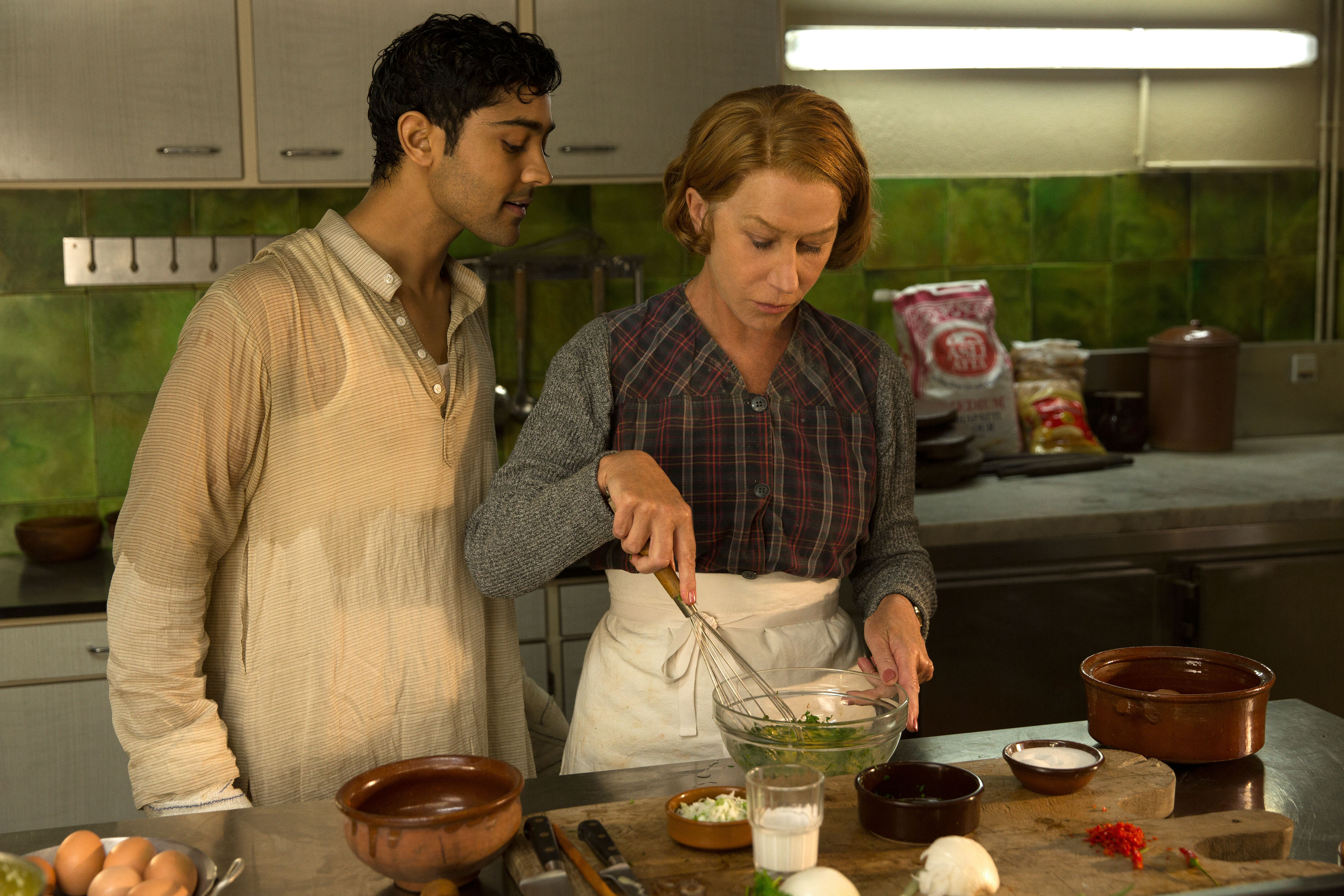
THE HUNDRED-FOOT JOURNEY

There is concept in film studies called “the Magic Negro.”  The magic negro is a character through which a white protagonist achieves their objective, narrative or otherwise.  Its a concept as old and enduring as the feature film itself.  Famous recent examples include The Green Mile, The Blind Side, The Help, Jerry Maguire, and every Whoopi Goldberg film.  Despite many fine performances and some quality cinema that has come out of this vein, the magic negro as a narrative device is problematic precisely because it essentially reduces black characters to mere narrative devices.  In other words, it has a dehumanizing effect.  Needless to say, I would be remiss for calling myself the Mixed American Film Buff if I didn’t keep an eye out for this, and frankly, its never too hard to spot.  Sadly, when you look closely, there are few roles written for black actors that don’t adhere to this trope.  Continue reading

Top 10 Performances of 2013: #9

Oscar-Isaac-Inside-Llewyn-Davis

9. Oscar Isaac: Inside Llewyn Davis

First of all, I had no idea Oscar Isaac was such a fantastic singer. This isn’t meant as a mere side compliment, because the character of his voice is crucial to an understanding of the film. Isaac’s voice is rich and true, resonating throughout the story, giving us a beautiful contrast to his extended series of fuck ups, mishaps, and bad breaks we’ll call his life. The film is a character study, a portrait of an artist, and his face tells us as much as his voice does. He wears everything on it. It’s appropriate he got this role not just because he’s tremendously talented and well suited for it, but just as a Coen’s fanatic I have to say that he really reminded me of a young John Turtturro in this. It’s an excellent performance from a really underrated actor in an absolutely beautiful piece of cinema.

Thoughts On ‘Days of Heaven’

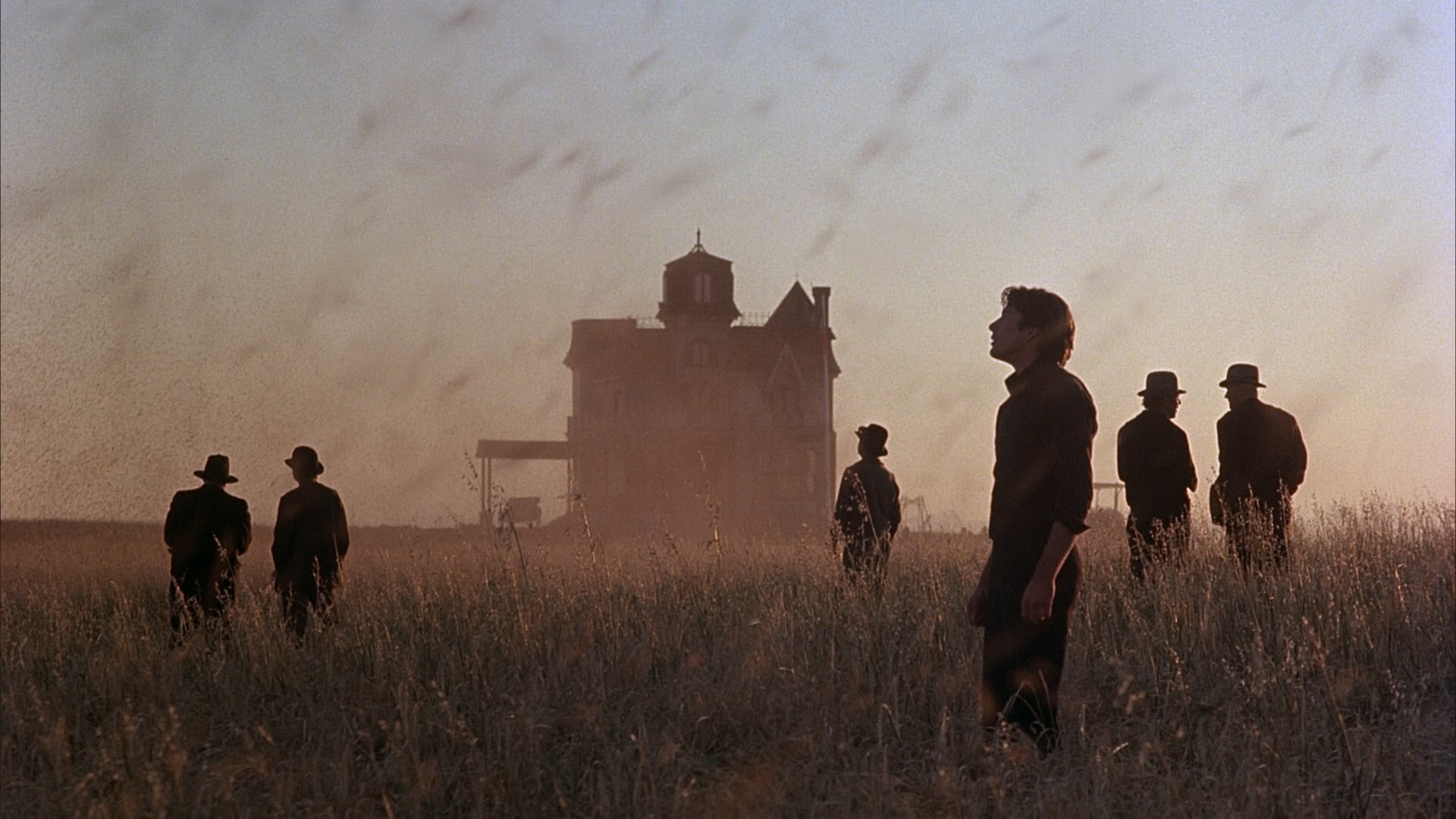
days-of-heaven-5

I recently viewed Terrence Malick’s Days of Heaven for the fourth or fifth time and it was no less impactful than it was the first time I saw it.  The blisteringly beautiful cinematography of Nestor Almendros and Haskell Wexler is the hallmark of this film which remains the quintessence of style of a master filmmaker.  The “little things” make all the difference in this film, like the shot of the wind blowing on the water and blades of grass.  Details like Sam Sheppard reaching out for Brooke Adams’ hand in the woods.  So many unforgettable moments such as the swarm of locusts descending on the farm, the imposing farmhouse designed and built by the great Jack Fisk in the distance as the migrants approach the property, and the way the camera seems to float in the stream and circle playfully around Gere and Adams.  Continue reading

Top 10 Performances of 2013: #10

DF-02868FD.psd

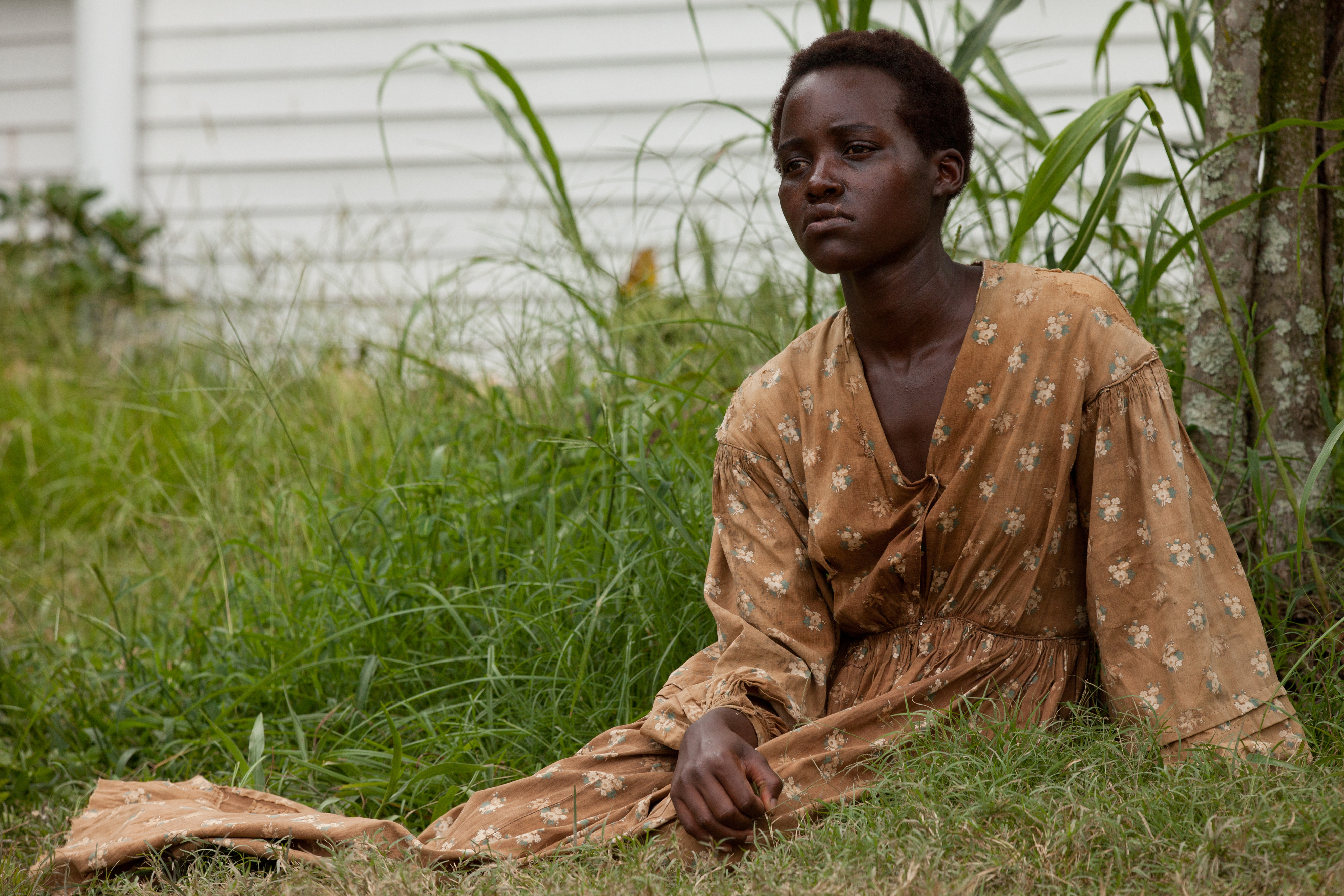
10. Lupita Nyong’o: 12 Years A Slave

In the months since I posted my 12 Years piece on tumblr, the world has rightfully fallen in love with Ms. Nyong’o and it is safe to say she is an unknown no longer. The utter despair and pain captured in her performance continues to resonate.  This is the sort of performance you can feel in your bones and makes you squirm in your seat.  The whole film is like that, really, but her performance stands out in this respect because her situation is so uniquely desperate and hopeless.  She’s literally hard to watch at times, not because of the brutality she endures, but because the despair and sense of being trapped is so complete and dire in her face, in her actions, her voice.  Great work in what ought to be a star-making performance.  Now, if only the American film industry created roles for black women…

‘Game of Thrones’ Season 4, Episode 10: “The Children” Reaction

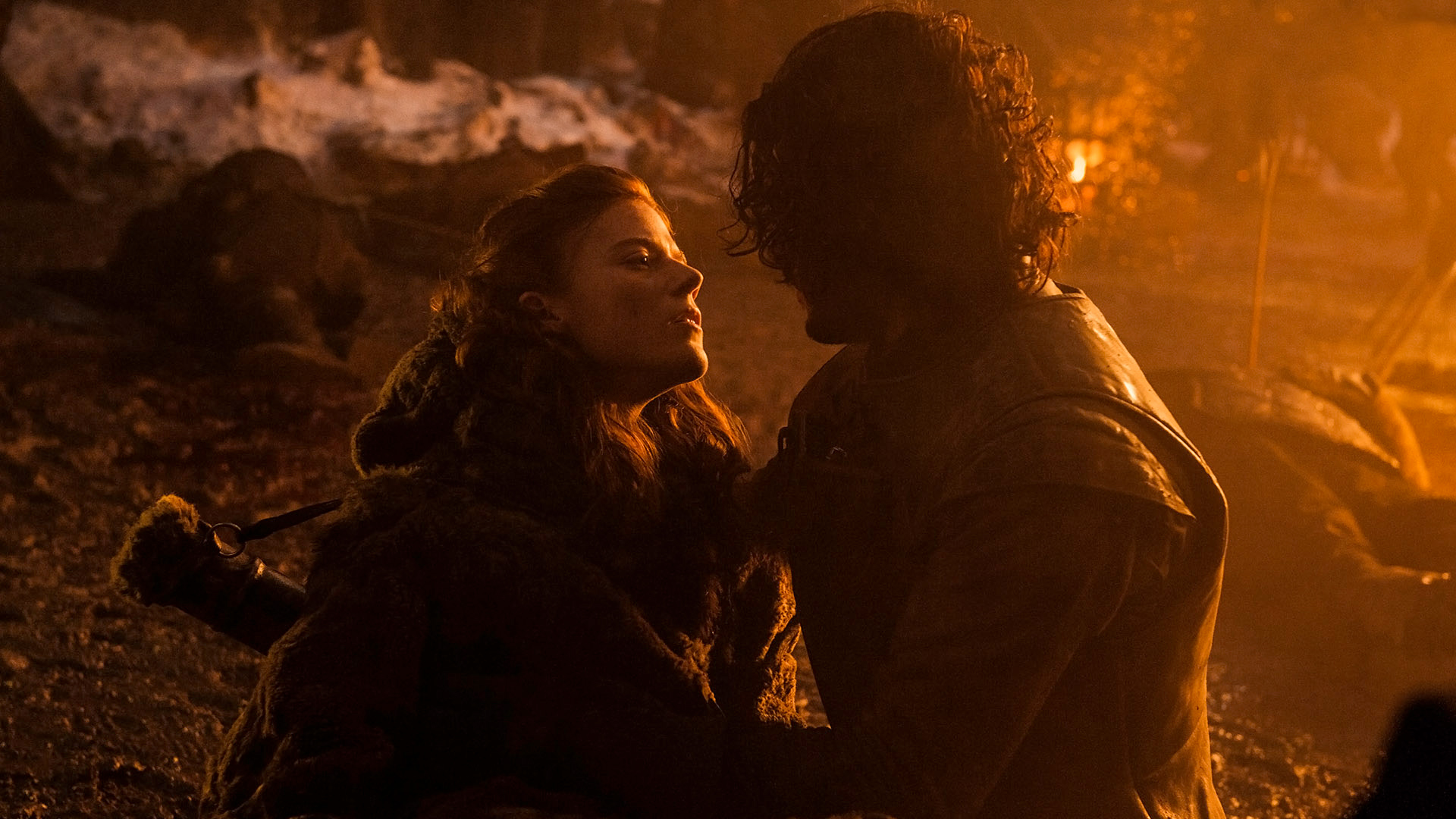
episode-40-13-1920

It was almost jarring to see them end a season on something other than a big “creature reveal.”  That’s not a complaint-and not that there’s anything wrong with big creature reveals, because of course there isn’t. But I really like when seasons (or series, for that matter) end with a central character boarding a vessel or entering a vehicle and going somewhere. It’s a beautiful if obvious metaphor for consuming a serial narrative and also for characters during a “hiatus.” This ending reminded me of the ends of Freaks and Geeks and Six Feet Under, which left me with an unsettling feeling given that those two were series finales. I’m certainly glad I’m aware that Game of Thrones has already been renewed for at least two more seasons.  Continue reading

‘Game of Thrones’ Season 4, Episode 9: “The Watchers on the Wall” Reaction

episode-39-09-1920

This episode-“Blackwater” 2.0, was good bloody fun and a prime example of what makes Game of Thrones so unique as a series. Not just unique in the way that the show is special-it being of superior quality to almost everything else the medium has to offer-but unique in its very essence as a work of media-art. Game of Thrones the television series exists somewhere between cinema and television, blurring lines and creating new forms in the process.  It is in episodes like this that the series makes its mark.  Continue reading

‘Game of Thrones’ Season 4, Episode 8: “The Mountain and the Viper” Reaction

episode-38-09-1920

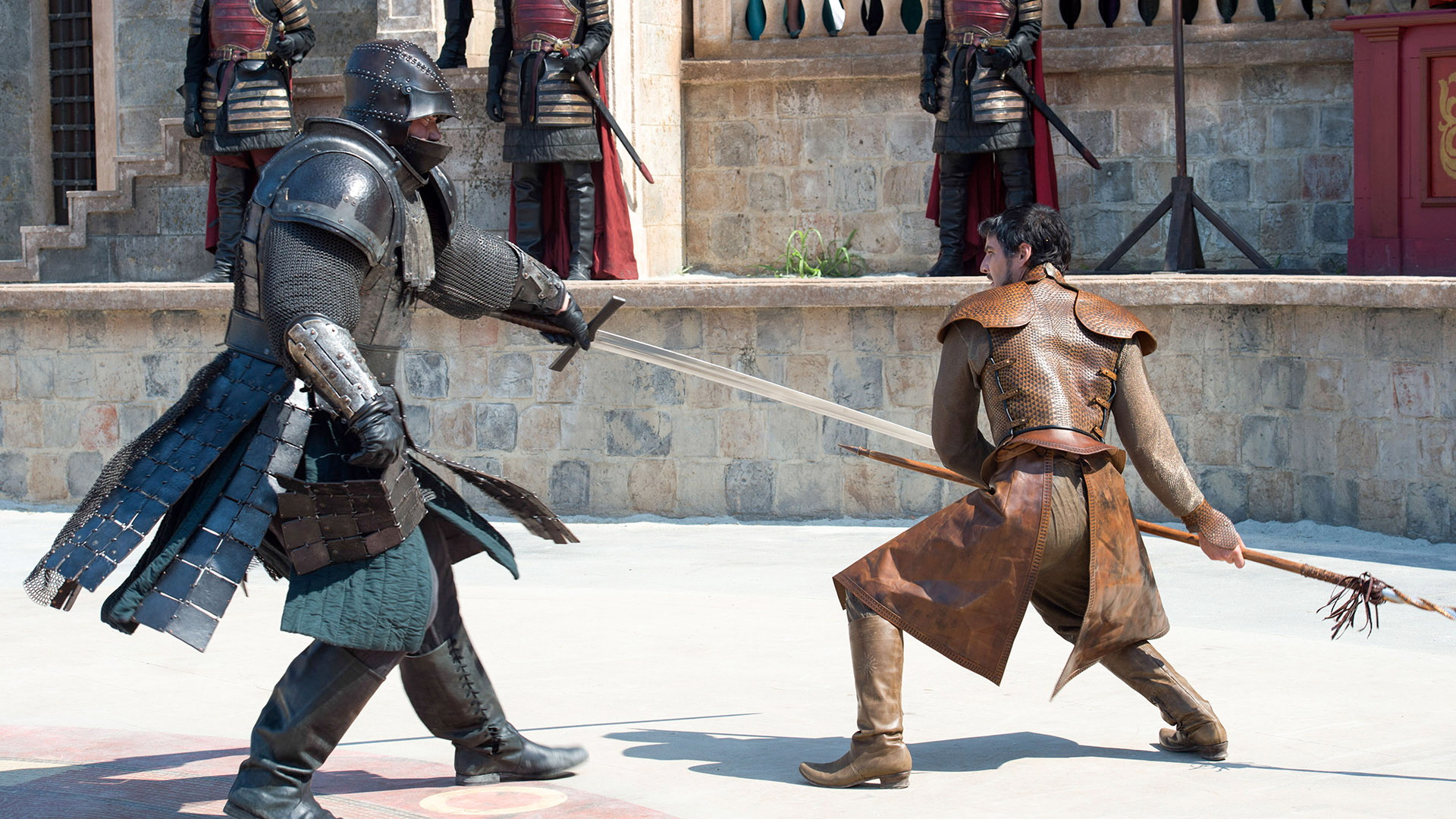
The narrative acumen of the Game of Thrones show runners and their crew was on full display this episode. The opening sequence was masterful and cinematic, setting the perfect tone for the entire episode, which has to be the most well-structured, evenly-paced, and deftly executed installment of the season up to this point. All the transitions were narratively and thematically coherent; there was no filler in the episode, even if there was a small amount of fat in isolated instances.  Continue reading

‘Game of Thrones’ Season 4, Episode 7: “Mockingbird” Reaction

episode-37-02-1920

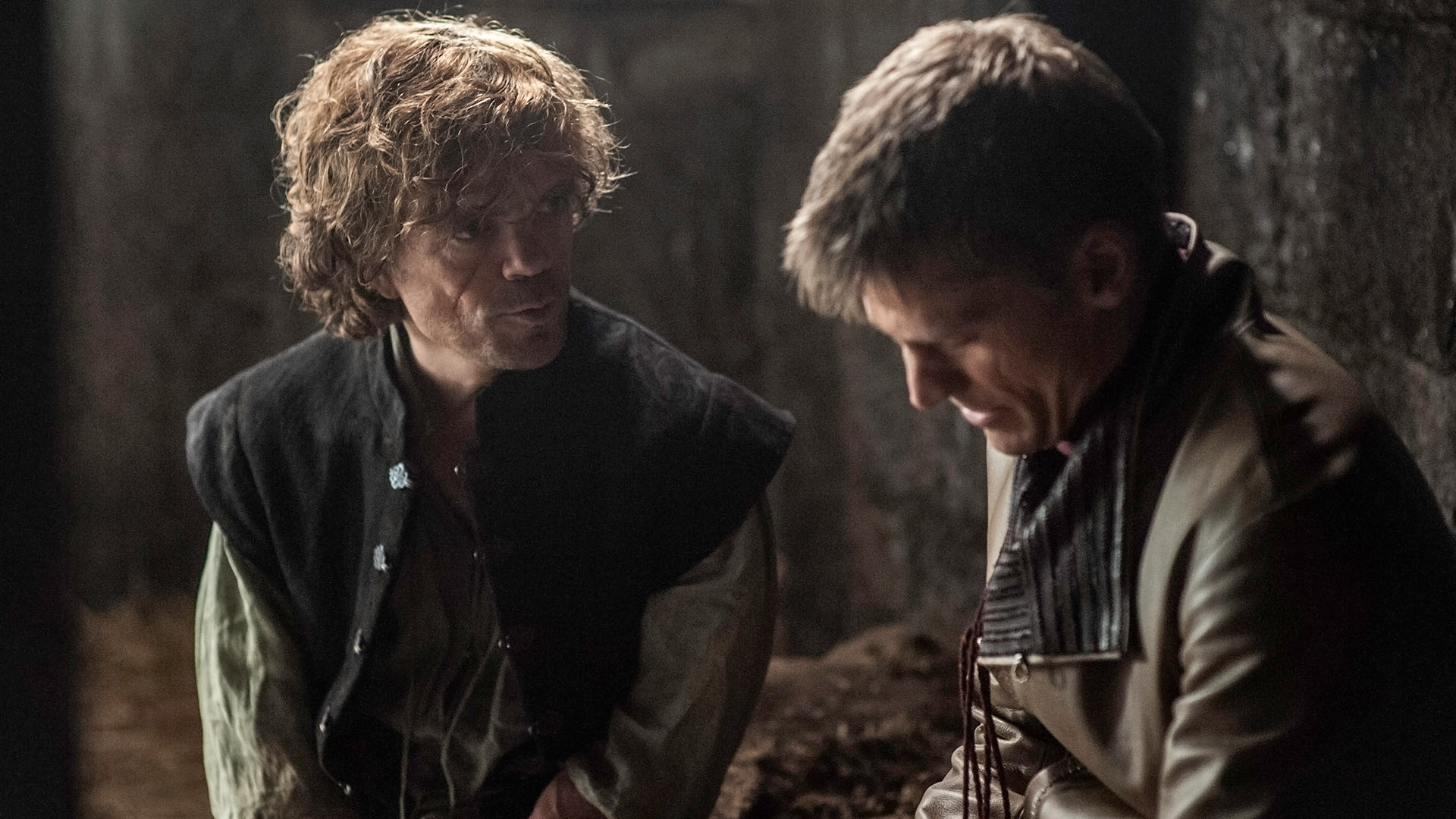
I missed a week in terms posting, but that’s okay for our purposes here because the last two episodes make a really logical pair tonally and thematically, especially in terms of Tyrion’s arc. That brings me directly to Tyrion’s scene with Oberyn, which is now one of my favorite scenes of the series so far. Peter Dinklage is consistently great on the show and in his career in general, but he’s really great here, in my opinion, and for a specific reason. People are quick to rightfully praise things such as his speeches, witty retorts, and comic timing. I, however, believe the real brilliance in his performance is to be found in the way he listens and reacts. This is a particular skill he happens to share with Maisie Williams. Their reaction shots and the specific ways in which they listen on camera are continually astounding to me.

Continue reading